

Pentobarbital Dog Euthanasia
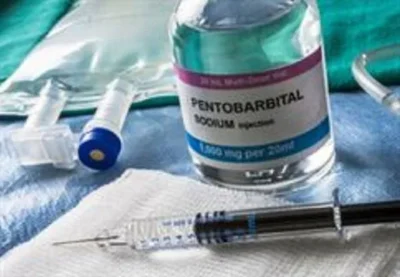
Did you know that pentobarbital is the most common euthanasia agent used in private veterinary practice and shelter work in the United States? This powerful drug is trusted by veterinarians to achieve a smooth and irreversible death in pets. However, pentobarbital comes with significant environmental concerns. This article delves into the complexities of pentobarbital dog euthanasia, providing you with essential information and practical guidelines.
Koszt eutanazji zwierząt domowych: czego się spodziewać w latach 2023–2026 Jako właściciele zwierząt domowych, podejmowanie [...]
The Role of Pentobarbital Sodium in Assisted Suicide Euthanasia, also known as assisted suicide or [...]
Controversia Revelada: El Papel del Pentobarbital Sódico en el Suicidio Asistido Uso de Pentobarbital Sódico [...]
Tartışmalı pentobarbital sodyum kullanımı Türkiye Yardımlı intihar veya ötenazi olarak da bilinen ötenazi, uzun yıllardır [...]
Kontroverse aufgedeckt: Die Rolle von Pentobarbital-Natrium bei assistiertem Suizid Euthanasie, auch bekannt als assistierter Suizid [...]
Understanding Pentobarbital Sodium: A Comprehensive Guide to Its Uses, Dosages, and Side Effects Understanding Pentobarbital [...]
Understanding Nembutal Lethal Dose: Risks, Considerations, and Alternatives Nembutal, also known as pentobarbital, is a [...]
Nembutal en vente en Australie : une option sûre et fiable pour les choix de fin [...] 
Koszt eutanazji zwierząt domowych: czego się spodziewać w latach 2023–2026
Apr
Use Of Pentobarbital Sodium That You Need To Know

Uso de Pentobarbital Sódico en la Eutanasia
Apr
Tartışmalı pentobarbital sodyum kullanımı
Umstrittene Verwendung von Pentobarbital-Natrium
Apr

Understanding Pentobarbital Sodium: A Comprehensive Guide to Its Uses, Dosages, and Side Effects
Apr

Understanding Nembutal Lethal Dose: Risks, Considerations, and Alternatives
Apr

Nembutal en vente en Australie : une option sûre et fiable pour les choix de fin de vie
Apr
Understanding Pentobarbital Dog Euthanasia
Pentobarbital dog euthanasia is a humane method of ending a dog’s life, typically used when the animal is suffering from a terminal illness or severe injury. Pentobarbital, a barbiturate, is administered to induce rapid unconsciousness and cardiac arrest. Other Names of Pentobarbital
How Pentobarbital Works
Pentobarbital acts quickly to:
- Induce unconsciousness
- Stop breathing
- Cause cardiac arrest
This process ensures a painless and peaceful end for the animal.
Key Takeaways
- Pentobarbital is a widely used euthanasia agent.
- The drug induces rapid unconsciousness and cardiac arrest.
- It is a humane method for ending a dog’s life.
The Euthanasia Process
The euthanasia process involves several steps to ensure the animal’s comfort and dignity.
Preparation
- Sedation: Many vets administer a sedative before the pentobarbital injection to relax the dog.
- Environment: Create a calm and quiet environment to reduce stress.
Administration
- Intravenous Injection: The preferred method for administering pentobarbital.
- Alternative Methods: Intracardiac injection may be used in special cases. Buy Nembutal pentobarbital sodium online
Post-Euthanasia
- Confirmation of Death: The vet will confirm the dog’s death by checking for the absence of a heartbeat and respiration.
- Body Handling: Proper disposal of the body is crucial to prevent environmental contamination.
Key Takeaways
- Sedation is often used to relax the dog.
- Intravenous injection is the preferred method.
- Proper body handling is essential post-euthanasia.
Environmental Concerns
Pentobarbital poses significant environmental risks if not handled properly.
Risks
- Wildlife Poisoning: Scavengers may consume the remains of euthanized animals, leading to secondary poisoning.
- Environmental Contamination: Improper disposal can contaminate soil and water.
Recommendations
- Proper Disposal: Bury or cremate the remains to prevent scavenging.
- Education: Inform pet owners about the risks and proper disposal methods.
Key Takeaways
- Pentobarbital can poison wildlife and contaminate the environment.
- Proper disposal methods are crucial to mitigate these risks.
Alternatives to Pentobarbital
In cases where pentobarbital is not available, alternative methods may be considered.
Inhaled Anesthetics
- Isoflurane or Sevoflurane: These can be used to induce unconsciousness, followed by a secondary method to stop the heart.
Other Drugs
- Potassium Chloride (KCl): Can be used to stop the heart after the animal is deeply anesthetized.
Key Takeaways
- Inhaled anesthetics and KCl are viable alternatives.
- These methods require careful administration to ensure human euthanasia.
Conclusion
Pentobarbital dog euthanasia is a complex process that requires careful consideration of the animal’s welfare and environmental safety. By understanding the process and following best practices, you can ensure a humane and dignified end for your pet while minimizing environmental risks. Purchase Nembutal online
FAQs
-
What is pentobarbital? Pentobarbital is a barbiturate drug used for euthanasia in animals. It induces rapid unconsciousness and cardiac arrest.
-
How is pentobarbital administered? Pentobarbital is typically administered through intravenous injection. The intracardiac injection may be used in special cases.
-
What are the environmental risks of pentobarbital? Pentobarbital can poison wildlife and contaminate the environment if not disposed of properly.
-
What are the alternatives to pentobarbital? Alternatives include inhaled anesthetics like isoflurane or sevoflurane and potassium chloride (KCl).
-
How should the remains of an euthanized dog be disposed of? The remains should be buried or cremated to prevent scavenging and environmental contamination.
-
Is pentobarbital euthanasia painful for the dog? No, pentobarbital euthanasia is designed to be painless and humane.
-
Can pentobarbital be used for other animals? Yes, pentobarbital is used for euthanasia in various animals, including cats and other small companion animals.
-
What should I do if I am considering euthanasia for my dog? Consult with your veterinarian to discuss the process, alternatives, and proper disposal methods.
References